When it comes to staying slim and fit, the Japanese seem to have cracked the code. Despite indulging in a cuisine rich in rice, noodles, and sushi, the majority of Japanese people maintain a healthy weight. So, what’s their secret? In this article, we’ll delve into the factors that contribute to the Japanese staying trim and explore the cultural practices and lifestyle choices that keep them in shape.
The Japanese Diet: Quality over Quantity
One of the key reasons why the Japanese never get fat is their diet. While rice is a staple, portion sizes are typically smaller compared to other countries. Additionally, the Japanese diet is rich in fish, vegetables, and fermented foods like miso and natto. These foods are low in calories but high in nutritional value, providing the body with essential vitamins and minerals.
Furthermore, the Japanese have a tradition called “hara hachi bu,” which means eating until you are 80% full. This practice helps prevent overeating and allows the body to digest food more efficiently.
In contrast to the Western diet, which is often laden with processed foods and sugary drinks, the Japanese focus on consuming fresh, whole foods. This emphasis on quality over quantity plays a significant role in maintaining a healthy weight.
Active Lifestyle
Another factor contributing to the Japanese population’s slim figures is their active lifestyle. Walking is a common mode of transportation in Japan, with many people opting to walk or cycle to work or school. This daily physical activity helps burn calories and keeps their metabolism active.
Furthermore, the Japanese have a strong sense of community and enjoy engaging in group activities such as hiking, dancing, and martial arts. These activities not only provide exercise but also foster social connections, contributing to overall well-being.
Unlike the sedentary lifestyle prevalent in many Western countries, the Japanese prioritize movement and incorporate it into their daily routines.
Portion Control and Presentation
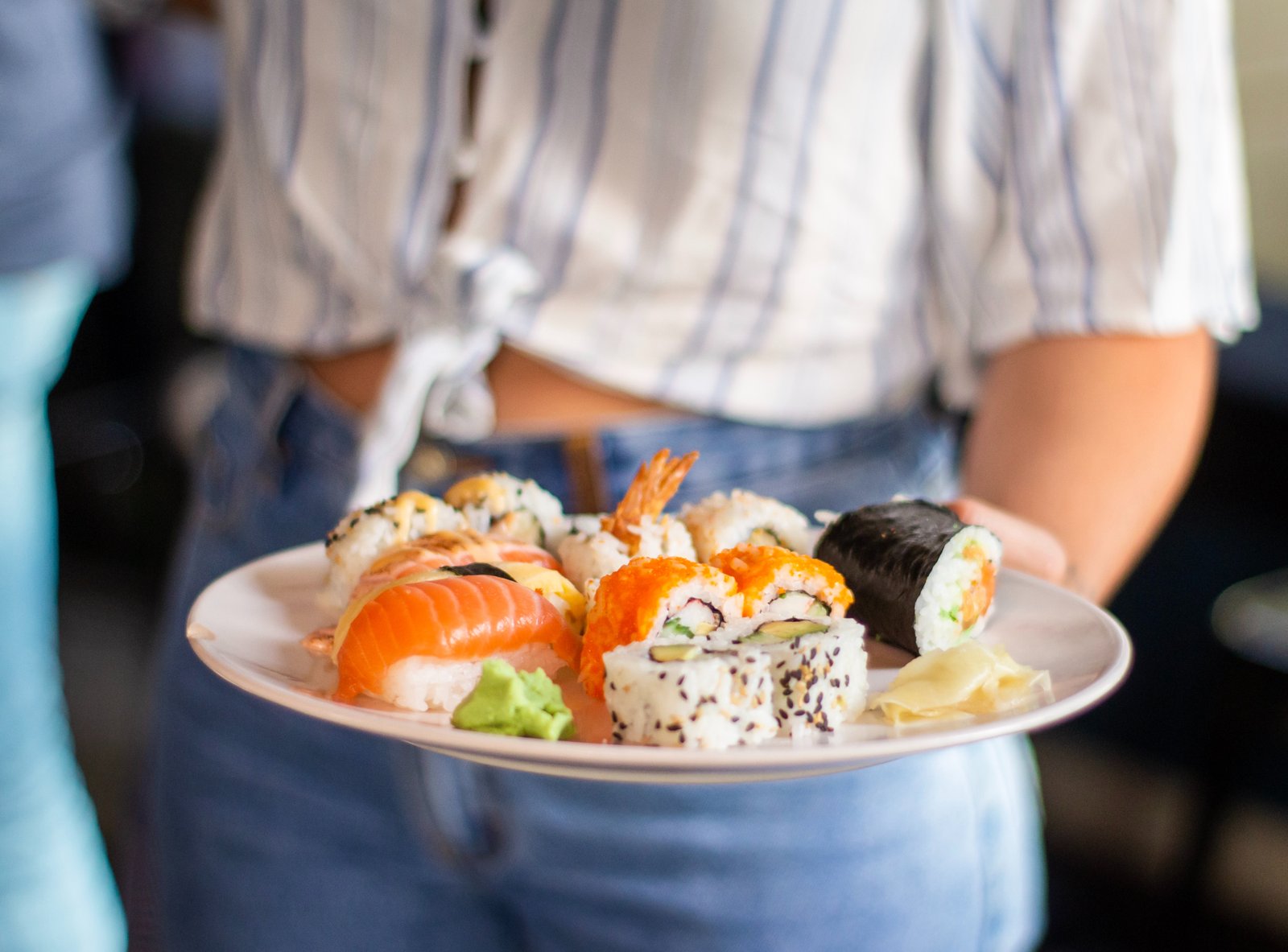
In Japan, the presentation of food is considered an art form. Meals are beautifully arranged, and portion sizes are carefully controlled. This attention to detail not only enhances the dining experience but also helps regulate calorie intake.
Additionally, the use of smaller plates and bowls tricks the mind into perceiving larger portions, leading to a feeling of satisfaction with less food. This psychological aspect of portion control is a clever strategy employed by the Japanese to prevent overeating.
By focusing on the visual appeal of food and practicing portion control, the Japanese maintain a healthy balance between indulgence and moderation.
Tea Culture
Tea plays a significant role in Japanese culture, and its consumption has numerous health benefits. Green tea, in particular, is known for its metabolism-boosting properties and is often consumed after meals to aid digestion.
Unlike sugary beverages commonly consumed in the West, tea is a calorie-free alternative that hydrates the body and promotes overall well-being. The ritual of preparing and savoring tea also encourages mindfulness, which can prevent mindless snacking and overeating.
The Japanese embrace tea as a part of their lifestyle, reaping both physical and mental health benefits.
Work-Life Balance
In Japan, maintaining a healthy work-life balance is highly valued. Long working hours and excessive stress are detrimental to overall well-being and can lead to weight gain. However, the Japanese prioritize self-care and leisure activities, ensuring that they have time for relaxation and pursuing hobbies.
This emphasis on work-life balance allows the Japanese to manage stress levels effectively, which in turn helps regulate appetite and prevent emotional eating.
By prioritizing their well-being and finding time for leisure, the Japanese maintain a healthy weight while also enjoying a fulfilling life.
Conclusion
The Japanese have mastered the art of staying slim and fit through their mindful eating habits, active lifestyle, portion control, tea culture, and work-life balance. By adopting some of these practices, we can learn valuable lessons about maintaining a healthy weight and overall well-being. So, next time you’re looking for inspiration on how to shed those extra pounds, take a page from the Japanese playbook and embrace their secrets to staying slim.
Word Count: 642